Understanding the psychology behind gambling behavior in casinos
The Allure of Chance
The excitement of gambling in casinos often stems from the allure of chance. This element of unpredictability draws people in, creating a thrill that can be hard to resist. The concept of luck plays a significant role in the gambling experience, where players are often captivated by the possibility of hitting the jackpot. The feeling of winning, even if it’s a small amount, can trigger a rush of dopamine, reinforcing the desire to continue playing. Many players enjoy activities like ice fishing casino to enhance this thrilling experience.
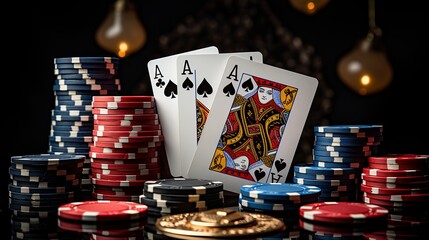
Moreover, many gamblers believe in luck as a tangible force that can be influenced. This belief can lead to superstitious behaviors, such as wearing lucky clothing or using specific strategies in hopes of improving their odds. This psychological attachment to chance enhances the gaming experience and keeps players engaged, often leading them to return in search of that elusive big win.
Skill vs. Luck
While some games in casinos rely solely on chance, others incorporate elements of skill, which can significantly affect gambling behavior. Players who believe that their knowledge or strategy can influence the outcome are likely to feel more empowered. This belief creates a more engaging experience, as they take personal responsibility for their decisions. Games like poker exemplify this dynamic, where strategic thinking can lead to better results than mere luck.
However, the interplay between skill and luck can create a complex psychological landscape. Gamblers may experience frustration if they believe that their skills are overshadowed by random chance. This tension can lead to patterns of behavior where players become overly invested, chasing losses or playing longer than intended, hoping that their skills will eventually prevail against the odds.
The Social Aspect of Gambling
Gambling is often viewed as a social activity, and the presence of others can amplify the psychological allure. In casinos, the environment is designed to encourage interaction, whether through shared experiences at tables or communal celebrations of wins. This social aspect can foster a sense of belonging, making it more appealing for individuals to participate.
Additionally, the atmosphere in casinos, often filled with excitement and energy, can create a communal sense of euphoria. As players cheer for each other or share stories of big wins, the collective experience can heighten the emotional stakes, leading individuals to gamble more than they might have otherwise. This social reinforcement plays a significant role in the frequency and intensity of gambling behaviors.
The Role of Marketing and Environment
Casinos are meticulously designed to maximize player engagement through strategic marketing and environmental cues. From the vibrant colors and sounds of slot machines to the complimentary drinks offered, every aspect is aimed at creating a captivating experience. These elements serve to stimulate the senses, encouraging players to stay longer and spend more.
Promotions and advertising also play a crucial role in shaping gambling behavior. By creating a perception of abundance, such as large jackpots or frequent bonuses, casinos can entice players to participate. The promise of easy wins can distort reality, making gambling feel more appealing despite the inherent risks. This psychological manipulation can lead to compulsive behaviors as players attempt to capitalize on perceived opportunities.

Conclusion: The Casino Experience
Understanding the psychology behind gambling behavior in casinos reveals a complex interplay of chance, skill, social dynamics, and environmental influences. Players are often drawn to the thrill of unpredictability while navigating their beliefs about luck and strategy. This multifaceted experience creates an environment where individuals can lose track of time and money, captivated by the promise of big wins.
Platforms like Ice Fishing Live aim to harness this psychological appeal by providing immersive gaming experiences that blend excitement with community interaction. By offering engaging gameplay and the potential for significant rewards, these casinos attract players looking for both entertainment and the chance to win big, highlighting the intricate relationship between gambling behavior and psychological factors.