Exploring the cultural significance of casinos in modern society
The Role of Casinos in Community Life
Casinos have become more than just places for gambling; they serve as social hubs within many communities. These establishments often host events, concerts, and entertainment shows, which foster a sense of community and belonging. People gather in these venues not only to play games but also to enjoy various cultural activities, such as utilizing a hellcase promo code for special promotions, enhancing social interactions among diverse groups.

Moreover, casinos can stimulate local economies by attracting tourists and generating employment opportunities. The influx of visitors to these gaming centers often leads to increased business for nearby restaurants, hotels, and shops, showcasing the interconnectedness between casinos and the broader community. This economic boost can lead to improved public services and infrastructure, further embedding casinos into the fabric of modern society.
Changing Perceptions of Gambling
Over the years, societal attitudes towards gambling have evolved significantly. Once seen as a taboo or morally questionable activity, gambling is now widely accepted in many cultures, especially in regions where casinos have been legalized. This shift in perception can be attributed to increased awareness and acceptance of gambling as a form of entertainment, rather than a vice.
Additionally, the rise of online gambling platforms has changed how people engage with games of chance. This accessibility has contributed to a broader acceptance of gambling among younger generations, who view it as a fun pastime rather than a dangerous addiction. As cultural attitudes continue to shift, the conversation surrounding responsible gambling practices has become increasingly important.
Cultural Symbolism of Casinos
Casinos often symbolize excitement, luxury, and the thrill of risk-taking. They are portrayed in films and literature as places where dreams can come true, reinforcing the idea of escapism. This romanticized view of gambling creates a cultural narrative that celebrates both the potential for winning and the allure of a high-stakes lifestyle.
However, this symbolism can also mask the darker realities of gambling addiction and financial loss. The duality of casinos as both glamorous and potentially destructive spaces reflects broader societal values around risk, success, and failure. As discussions about mental health and responsible gaming practices grow, it becomes essential to address these cultural narratives and their implications for individuals and communities.
The Influence of Technology on Casinos
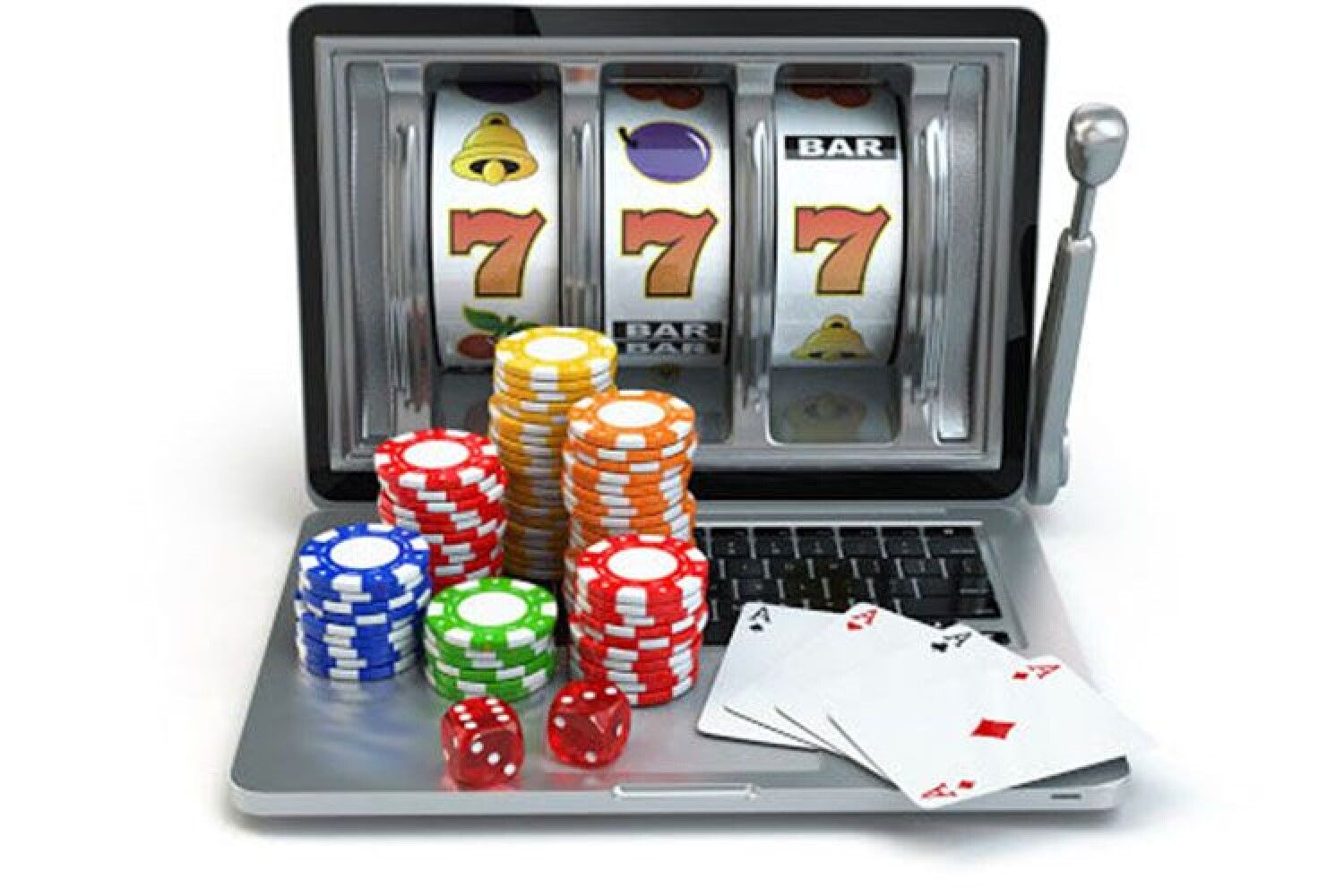
The integration of technology into the casino experience has transformed how people engage with gambling. From online platforms to virtual reality environments, technology has expanded access and changed the way games are played. This digital evolution caters to a tech-savvy audience, reshaping the traditional casino landscape and making it more inclusive.
Furthermore, innovations such as mobile gaming apps and live dealer games have created opportunities for casual gamers to participate without needing to visit physical casinos. This change not only broadens the appeal of gambling but also shifts cultural attitudes, as younger audiences embrace these modern options as part of their social experiences.
Responsible Gaming and Social Responsibility
As casinos continue to grow in cultural significance, the focus on responsible gaming has become paramount. Many casinos are implementing programs aimed at promoting safe gambling practices and supporting individuals at risk of addiction. This commitment to social responsibility reflects a growing recognition of the potential negative impacts of gambling on individuals and families.
Additionally, educational initiatives are being introduced to raise awareness about the risks associated with gambling and to provide resources for those seeking help. By fostering a culture of accountability and support, casinos are positioning themselves as responsible members of society, aiming to balance entertainment with the well-being of their patrons.